The “Queen of the Spiders” PDF is a mysterious digital document gaining notoriety online, sparking discussions and unsettling many readers with its content.
Originating from obscure corners of the internet, its initial distribution remains largely unknown, contributing to the aura of enigma surrounding this peculiar file.
What is the “Queen of the Spiders” PDF?
The “Queen of the Spiders” PDF is a digitally circulated document, described as deeply unsettling and intensely focused on arachnids. It’s not a formally published work, but rather a self-contained file that has gained traction through online sharing and discussion. Reports suggest the PDF contains detailed, and often disturbing, descriptions of various spider species, alongside unsettling imagery.
The content appears to delve into the intricacies of spider behavior, potentially exceeding typical scientific documentation in its obsessive detail. Many who have encountered the PDF report a feeling of unease, and some even describe psychological distress after reading it, contributing to its growing notoriety within online horror communities.
Origin and Initial Distribution
The precise origins of the “Queen of the Spiders” PDF remain shrouded in mystery. Early online mentions are difficult to pinpoint, predating its surge in popularity around 2020. It appears to have initially circulated within niche online forums and imageboards, gradually spreading through word-of-mouth and file-sharing platforms.
Tracing its initial distribution is complicated by its anonymous nature and lack of official publication. Some speculate it originated as a personal project, while others believe it may have been intentionally seeded online to provoke a reaction. The lack of verifiable information only adds to the PDF’s unsettling mystique.

The Content of the PDF
The PDF’s content centers around detailed descriptions of various spider species, accompanied by unsettling illustrations and a disturbing focus on arachnid behaviors.
Detailed Examination of Spider Species Featured
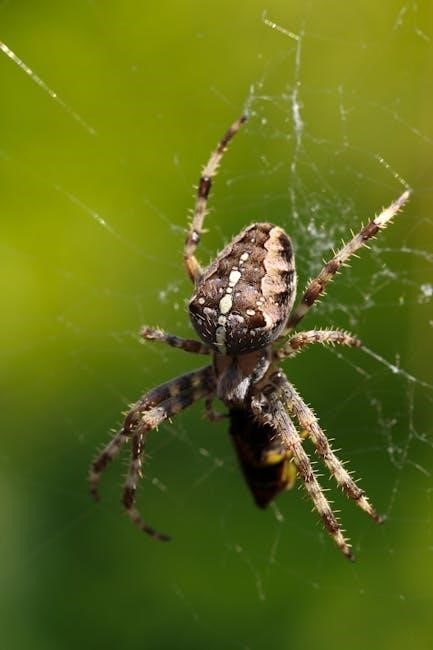
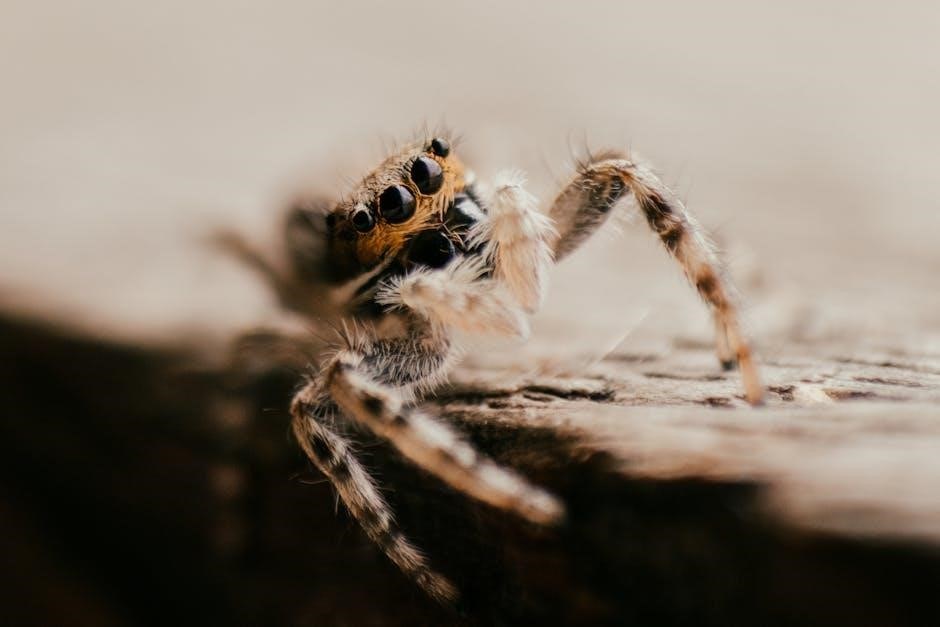
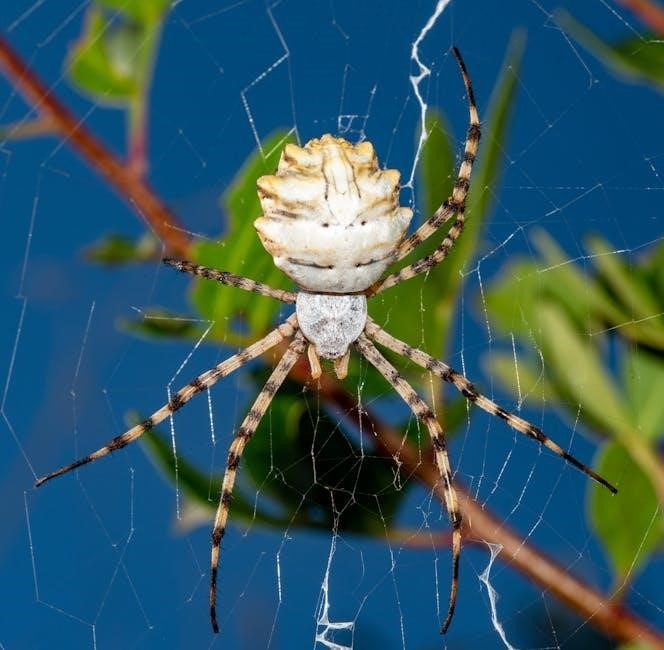
The “Queen of the Spiders” PDF doesn’t simply list spider species; it delves into unnerving detail regarding their anatomy, hunting techniques, and life cycles. Reports suggest a particular emphasis on species known for venom potency and aggressive behaviors, creating a deeply unsettling reading experience. The document appears to prioritize spiders often associated with folklore and fear, amplifying the psychological impact on readers.
Descriptions are often graphic, focusing on aspects like fangs, spinnerets, and the process of envenomation. While seemingly aiming for scientific accuracy, the presentation leans heavily into the macabre, fostering a sense of dread and revulsion. The selection of featured species isn’t random; it’s curated to maximize discomfort.
Illustrations and Diagrams within the PDF
The “Queen of the Spiders” PDF is not merely text-based; it incorporates a disturbing collection of illustrations and diagrams. These visuals range from detailed anatomical sketches of spiders to unsettling depictions of their webs and hunting scenarios. The artistic style is consistently stark and clinical, devoid of any aesthetic appeal, enhancing the document’s unsettling nature.
Diagrams purportedly illustrate spider venom composition and effects on the human body, adding a layer of pseudo-scientific horror. The images are often low-resolution and grainy, contributing to a sense of age and authenticity, despite their disturbing content. These visuals are integral to the PDF’s psychological impact.
Focus on Arachnid Behavior Described
The “Queen of the Spiders” PDF delves into remarkably detailed, and often unsettling, descriptions of arachnid behavior. It meticulously outlines hunting strategies, web-building techniques, and reproductive cycles of various spider species. However, the presentation isn’t scientific; it’s framed with an unnerving focus on the spiders’ predatory nature and potential threat to humans.
The document emphasizes the spiders’ intelligence and adaptability, portraying them as calculating hunters. Descriptions of venom effects and bite symptoms are graphic and fear-inducing. This focus on behavioral details contributes significantly to the PDF’s disturbing and unsettling atmosphere, fueling anxieties about spiders.

Historical Context & Spread
Early online mentions of the “Queen of the Spiders” PDF were scarce before 2020, but its popularity surged dramatically between 2020 and 2025.
The PDF gained traction within online horror communities, spreading through forums and creepypasta websites, amplifying its unsettling reputation.
Early Online Mentions (Pre-2020)
Prior to 2020, documented references to the “Queen of the Spiders” PDF were exceptionally rare, existing primarily within the darker recesses of the early internet. Initial sightings appear as fleeting mentions on obscure web forums dedicated to unsettling imagery and unexplained phenomena. These early discussions lacked concrete details, often describing the PDF as a disturbing, anonymously-circulated document.
Early accounts suggest the file was shared through private links and file-sharing networks, making tracing its origin incredibly difficult. The content was alluded to as intensely graphic and psychologically disturbing, but verifiable evidence remained scarce. These pre-2020 mentions primarily functioned as warnings or cautionary tales, rather than detailed analyses.
The Rise in Popularity (2020-2025)
Between 2020 and 2025, the “Queen of the Spiders” PDF experienced a significant surge in online attention, fueled by social media platforms and online horror communities. Initial spread occurred through platforms like Reddit and 4chan, with users sharing anecdotal accounts of its disturbing content. This period saw the emergence of numerous threads dedicated to dissecting the PDF’s alleged effects and origins.
The increased visibility coincided with a broader interest in online horror and creepypasta, contributing to its viral spread. The file’s mystique was further amplified by claims of psychological distress experienced by readers, generating both fascination and apprehension.
Connection to Online Horror Communities
The “Queen of the Spiders” PDF found a receptive audience within established online horror communities, particularly those dedicated to creepypasta and unsettling digital content. Forums and subreddits focused on psychological horror became central hubs for discussion, analysis, and the sharing of personal experiences related to the document.
These communities actively contributed to the PDF’s lore, fostering speculation about its origins and the nature of its disturbing imagery. The shared experience of reading and reacting to the content created a sense of collective unease, further solidifying its place within the online horror landscape.
The PDF’s Impact and Controversy
The “Queen of the Spiders” PDF has provoked strong reactions, with readers reporting psychological distress and sparking debates regarding its authenticity and disturbing nature.
Psychological Effects Reported by Readers
Numerous individuals who have viewed the “Queen of the Spiders” PDF have reported experiencing a range of unsettling psychological effects. These include heightened anxiety, persistent feelings of dread, and intrusive thoughts centered around arachnids and the document’s disturbing imagery.
Some readers describe experiencing nightmares and a general sense of unease, even long after initially encountering the PDF. The document’s content appears to tap into primal fears, creating a deeply unsettling experience for susceptible individuals. Reports suggest a correlation between prolonged exposure and increased psychological distress, fueling concerns about its potential harm.
Debates on the PDF’s Authenticity
A significant debate surrounds the true origins and authenticity of the “Queen of the Spiders” PDF. Skeptics argue it’s an elaborate hoax, a deliberately crafted piece of creepypasta designed to generate fear and online attention. They point to the lack of verifiable source information and the document’s unsettlingly consistent narrative as evidence of fabrication.
Conversely, proponents suggest the PDF may represent a genuine, albeit disturbing, collection of research or personal obsession. The detailed nature of the content and the specific spider species featured lend some credence to this theory, though concrete proof remains elusive, perpetuating the mystery.
Urban Legends and Misinformation Surrounding the PDF
Numerous urban legends have sprung up around the “Queen of the Spiders” PDF, fueled by its unsettling content and mysterious origins. Stories circulate about readers experiencing vivid nightmares, developing phobias, or even encountering strange occurrences after viewing the document. These tales, often shared within online horror communities, contribute to the PDF’s notoriety.
Misinformation also abounds, with claims of the PDF being linked to occult practices or containing hidden codes. While unsubstantiated, these narratives amplify the sense of dread and intrigue, solidifying the PDF’s place in internet folklore and attracting further attention.

Technical Aspects of the PDF
Analyzing the PDF reveals details about its file size, format, and metadata, potentially offering clues to its creation and distribution methods.
Examining the software used to generate the PDF could provide insights into its origins and the creator’s intent behind this unsettling document.
File Size and Format Analysis
The “Queen of the Spiders” PDF typically circulates as a relatively small file, often under 10MB, suggesting a focus on text and potentially limited high-resolution imagery. Its format is consistently PDF/A, a standard designed for long-term archiving, which is an unusual choice for intentionally ephemeral or shocking content. This indicates a deliberate attempt at preservation, adding to the mystery.
Further analysis reveals the PDF isn’t heavily compressed, implying the creator prioritized readability over minimizing file size. The document structure is surprisingly simple, lacking complex interactive elements or embedded multimedia, further suggesting a straightforward, text-focused delivery of its disturbing content. This simplicity contrasts with the complex psychological impact reported by readers.
Metadata Examination
A detailed examination of the “Queen of the Spiders” PDF’s metadata reveals surprisingly little concrete information. Creator details are consistently absent or obfuscated, often displaying generic or placeholder names. Creation dates are similarly vague, frequently indicating a recent modification rather than an original creation date, hinting at repeated distribution and alteration.
The lack of identifiable software signatures is also notable; standard PDF creation programs leave digital fingerprints, but these are often missing or altered within the file. This suggests a deliberate effort to conceal the PDF’s origins, reinforcing the speculation surrounding its authorship and purpose. The metadata’s emptiness contributes to the document’s unsettling aura.
Potential Origins of the PDF Creation Software
Determining the precise software used to create the “Queen of the Spiders” PDF proves challenging due to deliberate obfuscation. However, analysis suggests a possible origin in readily available, open-source PDF generation libraries. These tools allow for significant customization and metadata manipulation, explaining the lack of identifiable signatures.
Alternatively, more sophisticated desktop publishing software, potentially with custom scripting, could have been employed. The document’s complex layout and image integration suggest a degree of technical skill. The absence of consistent digital fingerprints points towards intentional removal, indicating a creator familiar with PDF manipulation techniques and motivated to conceal their tools.
Queen (The Band) and Related References
The band Queen’s iconic song “Killer Queen” and the “Bohemian Rhapsody” effect resonate with the PDF’s fanbase, mirroring a cultural phenomenon and dedicated following.
The Song “Killer Queen” and its Symbolic Connection

The song “Killer Queen”, with its lyrics about a sophisticated and somewhat dangerous woman enjoying luxury, presents a fascinating parallel to the unsettling themes within the “Queen of the Spiders” PDF. The song’s imagery of indulgence and a hidden, predatory nature subtly echoes the PDF’s focus on arachnids – creatures often associated with both beauty and danger.
The line “She keeps a Moët et Chandon in her pretty cabinet” evokes a sense of curated elegance, a stark contrast to the often-disturbing content of the PDF, yet both share a common thread of hidden depths. This symbolic connection, though indirect, has fueled speculation among online communities dissecting the PDF’s origins and meaning, drawing parallels between artistic expression and unsettling digital lore.
“Bohemian Rhapsody” Effect and Fanbase Overlap
The success of the film “Bohemian Rhapsody” reignited widespread interest in Queen, introducing the band to a new generation and fostering a dedicated fanbase. This resurgence in popularity has inadvertently intersected with discussions surrounding the “Queen of the Spiders” PDF, as many newly-engaged Queen enthusiasts stumble upon the online mystery.
The film’s dramatic narrative and complex artistry seem to appeal to individuals drawn to intricate and unsettling stories, creating a surprising overlap between Queen fans and those captivated by the PDF’s enigmatic content. This phenomenon highlights how a shared appreciation for artistic depth can lead to exploration of darker, more obscure corners of the internet.
Queen as a Cultural Phenomenon
Queen’s enduring legacy extends far beyond musical achievements; the band represents a significant cultural touchstone, influencing art, fashion, and societal attitudes. This widespread recognition contributes to the unusual association with the “Queen of the Spiders” PDF, as the band’s name immediately evokes powerful imagery and symbolism.
The very word “Queen” carries connotations of power, mystery, and even darkness, which resonate with the unsettling nature of the PDF. This pre-existing cultural framework allows for a unique interpretation of the document, linking it to themes of sovereignty and the unknown, further fueling online speculation.
Distinguishing Monarch Titles
Understanding the difference between “Queen Regnant” (ruling in her own right) and “Queen Consort” (wife of a king) is crucial, mirroring the PDF’s symbolic use of “Queen”.
Queen Regnant vs. Queen Consort
The distinction between a Queen Regnant and a Queen Consort is fundamental to understanding monarchical titles, and subtly echoes within the unsettling context of the “Queen of the Spiders” PDF’s imagery. A Queen Regnant, like the late Elizabeth II, rules in her own right, possessing sovereign power and authority.
Conversely, a Queen Consort, such as Camilla, gains her title through marriage to a reigning king; her position is derived from her husband’s authority, lacking independent sovereign power. This difference impacts formal address and documentation, a detail potentially mirroring the PDF’s meticulous, yet disturbing, construction.
Sovereign vs. Monarch – Definitions
Understanding the nuances between “Sovereign” and “Monarch” is crucial when dissecting titles and power dynamics, a theme resonating within the unsettling lore surrounding the “Queen of the Spiders” PDF. A Monarch simply refers to a ruler, male or female – a King or Queen. However, a Sovereign embodies the ultimate authority within a territory.
A Sovereign possesses supreme legal authority, independent of any other entity. While all Queen Regnants are Monarchs, not all Monarchs are necessarily fully Sovereign, particularly in constitutional monarchies. This distinction subtly informs interpretations of the PDF’s central figure and her implied dominion.
Queen’s Musical Genre
Queen masterfully blended Glam Rock, Progressive Rock, and Art Rock elements, creating a unique soundscape—a complex musicality mirroring the intricate, disturbing themes within the PDF.
Glam Rock Influences
Queen’s early work demonstrably embraced the theatricality and flamboyant style characteristic of Glam Rock. This influence is evident in their striking visual presentation, elaborate stage costumes, and a penchant for catchy, anthemic melodies. However, Queen transcended simple Glam Rock tropes, layering complexity and harmonic sophistication onto the foundation.
The band’s use of layered vocals, Brian May’s distinctive guitar work, and Freddie Mercury’s charismatic performance style all contributed to a heightened sense of spectacle. This theatricality, while rooted in Glam, served as a compelling counterpoint to the unsettling and disturbing imagery associated with discussions surrounding the “Queen of the Spiders” PDF, creating a strange resonance.
Progressive Rock Elements
Beyond Glam Rock’s surface appeal, Queen incorporated substantial Progressive Rock elements into their compositions. This manifested in complex song structures, frequent time signature changes, and ambitious arrangements that extended beyond typical pop song formats. Tracks often featured instrumental passages and extended solos, showcasing the band’s musical virtuosity.
These progressive tendencies, while not always immediately apparent, added depth and intellectual weight to their music. The intricate nature of Queen’s arrangements, coupled with the unsettling themes surrounding the “Queen of the Spiders” PDF, creates an unexpected juxtaposition, hinting at hidden layers and unsettling complexities within both the music and the digital document.
Art Rock Characteristics
Queen’s music demonstrably exhibits characteristics of Art Rock, prioritizing conceptual depth and theatrical presentation over conventional rock and roll tropes. Their albums often functioned as cohesive artistic statements, exploring diverse themes and employing elaborate production techniques. This focus on artistic expression resonates with the unsettling, almost conceptual nature of the “Queen of the Spiders” PDF.
The PDF’s disturbing imagery and ambiguous narrative align with Art Rock’s penchant for challenging audiences and provoking thought. Queen’s willingness to experiment with genre and form mirrors the PDF’s unconventional and unsettling presentation, suggesting a shared aesthetic sensibility focused on pushing boundaries.
Post-Freddie Mercury Queen
Following Freddie Mercury’s death in 1991, Queen continued performing with different vocalists, maintaining their legacy, much like the PDF’s enduring online presence.
Band Member Activities After 1991
After Freddie Mercury’s passing, the remaining Queen members pursued diverse musical avenues. Brian May completed his PhD in astrophysics and continued a successful solo career, releasing albums and touring extensively. Roger Taylor also focused on solo work, fronting his band The Cross and contributing to various musical projects.
John Deacon, the bassist, largely retired from public life, choosing to focus on personal interests and eschewing the spotlight. Despite the band’s initial disbandment, they occasionally collaborated on new Queen material, notably with Paul Rodgers and later Adam Lambert, demonstrating a continued commitment to their shared musical heritage, mirroring the PDF’s persistent circulation online.
Continued Legacy and Performances
Queen’s musical legacy endures, amplified by the success of the biographical film Bohemian Rhapsody, introducing their music to new generations. The band’s songs remain staples on radio and streaming platforms, demonstrating their timeless appeal.
Brian May and Roger Taylor have continued to perform Queen’s music with guest vocalists like Paul Rodgers and Adam Lambert, ensuring the band’s sound lives on in live performances. This sustained activity parallels the “Queen of the Spiders” PDF’s continued online presence, both representing enduring cultural phenomena, captivating audiences across time and digital spaces.