
Overview of Clipper Guards
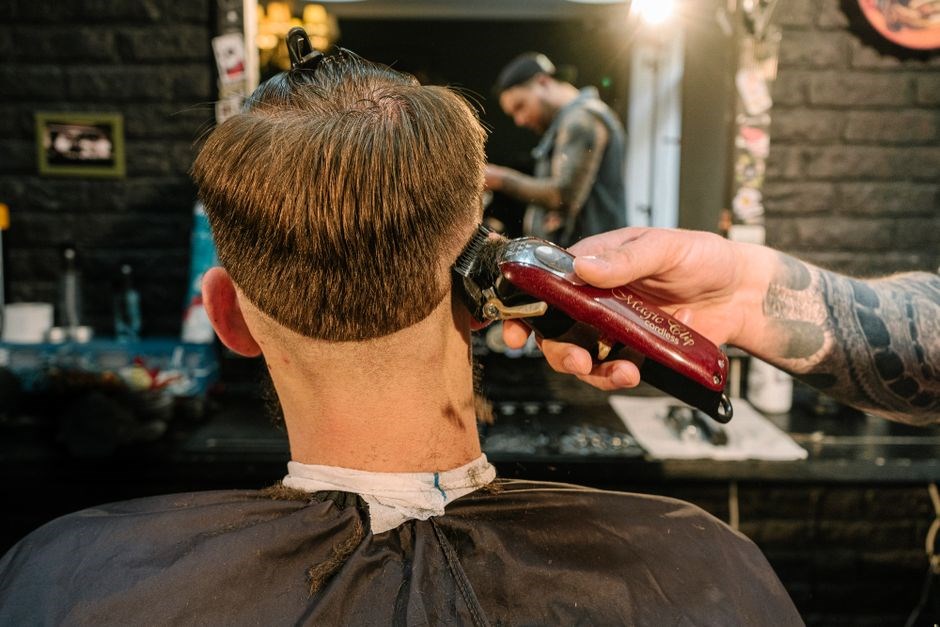
Clipper guards typically range up to 25 mm, though 32, 38, and 51 mm options exist on Amazon. Guard numbers follow a 1/8‑inch scale: 0 means no guard, 1 is the shortest, higher numbers leave longer hair. Using clipper‑over‑comb helps maintain top length. They fit Wahl clippers snugly, reducing rattling.!
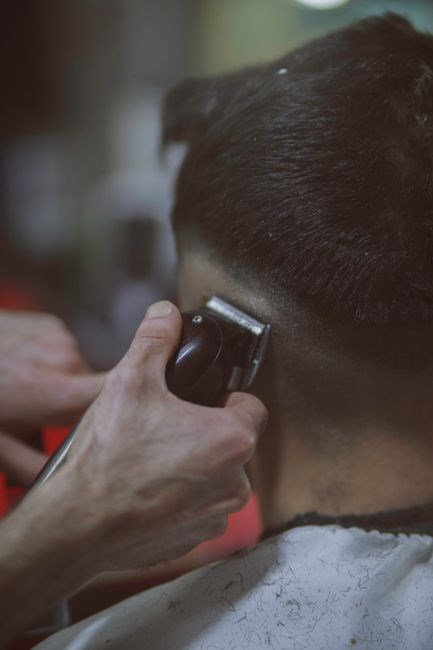
Guard Number System Explained
Guard numbers are 1/8‑inch increments; 0 means no guard, 1 is the shortest, 2 next, and so on. Higher numbers leave longer hair. Most American clippers use this scale, so a 1 guard cuts to 1/8″, a 3 guard to 3/8″, etc. This system standardizes lengths across brands.!!
Size Chart: Inches and Millimeters
Below is a concise conversion table for the most common clipper guard sizes. Each number represents a 1/8‑inch (3.175 mm) increment, so the chart follows a linear progression. The table is useful for quick reference when selecting a guard for a buzz cut or fade.
| Guard | Inches | Millimeters |
|---|---|---|
| 0 | 0″ (no guard) | 0 mm |
| 1 | 1/8″ | 3.175 mm |
| 2 | 1/4″ | 6.35 mm |
| 3 | 3/8″ | 9;525 mm |
| 4 | 1/2″ | 12.7 mm |
| 5 | 5/8″ | 15.875 mm |
| 6 | 3/4″ | 19.05 mm |
| 7 | 7/8″ | 22.225 mm |
| 8 | 1″ | 25.4 mm |
| 9 | 1 1/8″ | 28.575 mm |
| 10 | 1 1/4″ | 31.75 mm |
| 11 | 1 3/8″ | 34.925 mm |
| 12 | 1 1/2″ | 38.1 mm |
| 13 | 1 5/8″ | 41.275 mm |
| 14 | 1 3/4″ | 44.45 mm |
| 15 | 1 7/8″ | 47.625 mm |
| 16 | 2″ | 50.8 mm |
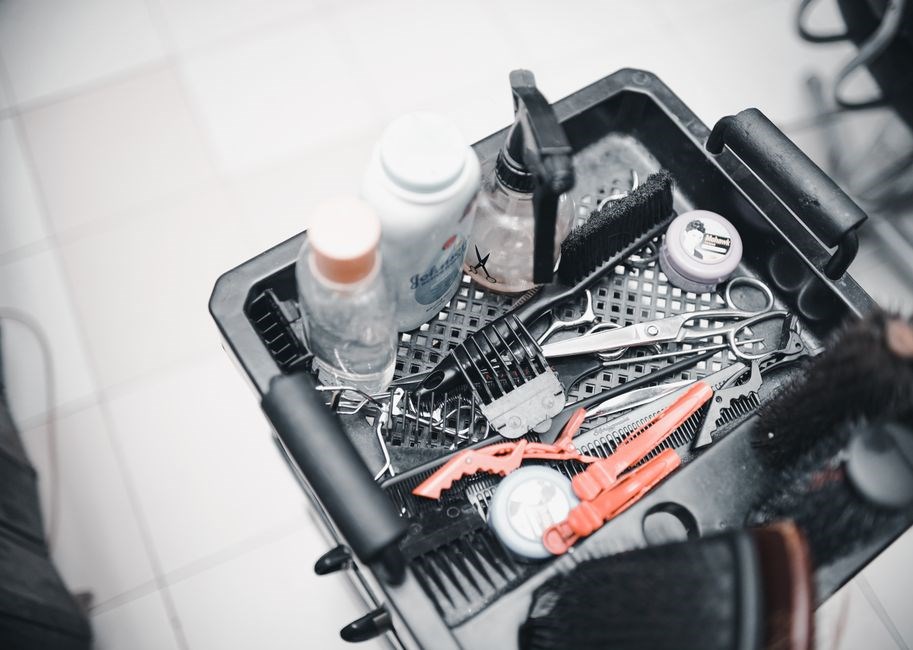
For most residential clippers, guards beyond 25 mm are rare; however, some specialty models offer 32 mm, 38 mm, and even 51 mm (2 in) guards for longer styles. When selecting a guard, always double‑check the manufacturer’s specifications, as a few brands deviate slightly from the standard 1/8‑inch step.
When working with a new clipper set, start by measuring the guard you currently have with a ruler or caliper. This confirms whether the manufacturer follows the standard 1/8‑inch step or has a custom offset. Many hobbyists convert the chart to a quick reference sheet, printing it on a small card for on‑hand use during fades or maintenance cuts.
Some advanced clippers allow interchangeable guard systems, meaning a single guard can be used across multiple models. In such cases, the chart remains valid, but always verify the guard’s exact depth with a micrometer if precision is critical—for example, when preparing a precise 3‑guard fade for a client’s scalp.
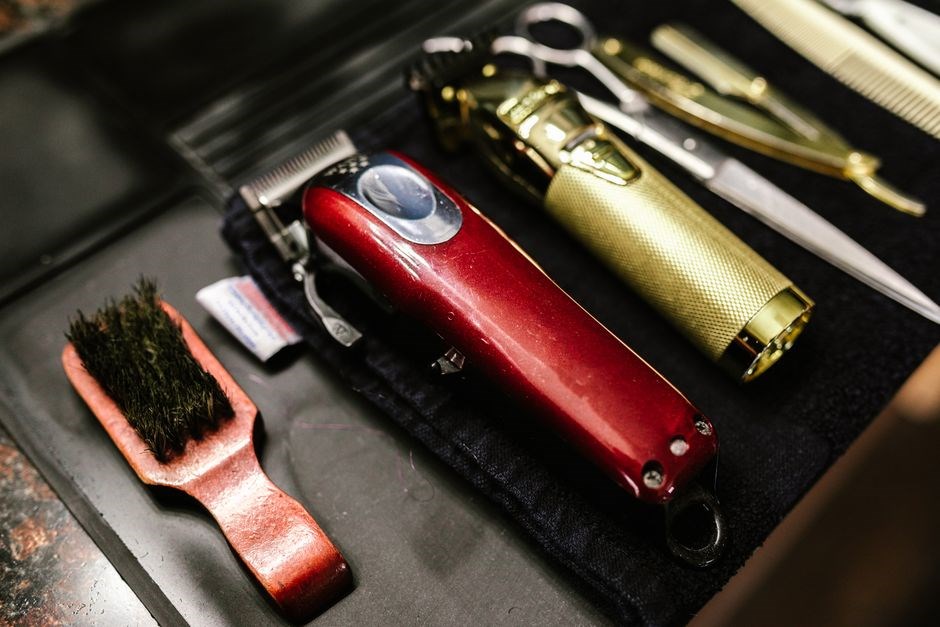
Remember that the guard’s actual cut length can be slightly affected by the clipper’s blade angle and the hair’s texture. Fine hair may sit a fraction shorter than the chart indicates, while thick hair can appear longer. Adjust your technique accordingly, using the chart as a baseline rather than an absolute measurement.
For those who prefer metric units, converting inches to millimeters is straightforward: multiply the inch value by 25.4. Conversely, divide millimeters by 25.4 to obtain inches. This quick conversion is handy when reading international manuals or when a clipper’s guard is labeled only in millimeters.
In practice, many barbers create a “guard cheat sheet” that lists the guard number, inch value, and mm value side by side, often color‑coded for quick visual reference. This cheat sheet can be laminated and kept in the barber’s station, ensuring that the correct guard is always within reach during a busy shift.
0 Guard, Half Guard, and Measurement Increments
In the clipper guard system, a “0” guard indicates the absence of a guard, allowing the blade to cut hair at the blade’s full length. This is often used for a buzz cut or trimming very short hair on the scalp. A half guard, sometimes labeled as “½” or “½‑guard,” is an intermediate option between the 0 guard and the first full guard. It typically cuts hair to roughly 1/16 of an inch (1.6 mm) or 3 mm, depending on the manufacturer. Because half guards are not standardized across all brands, verify the exact depth with a ruler or micrometer before use.
Measurement increments in most American clippers follow a 1/8‑inch (3.175 mm) step. The guard numbers increase sequentially: 1 equals 1/8 of an inch, 2 equals 1/4 of an inch, and so on. Some manufacturers offer a ½‑increment system, where a ½ guard is 1/16 of an inch, a 1 guard is 3/16 of an inch, and a 2 guard is 5/16 of an inch. This finer scale is useful for creating subtle fades or for clients who prefer a slightly longer top. When selecting a guard, always check the manufacturer’s specifications, as a 1 guard on a Wahl clipper may not be identical to a 1 guard on a Bosley or Andis model.
Because the guard system is designed to be intuitive, most barbers and home users rely on visual cues. A 0 guard feels like a bare blade, a half guard feels like a slight cushion, and full guards provide a clear “stop” point. When working with a new clipper set, test each guard on a small section of hair to confirm the expected length. This practice ensures consistency across fades, trims, and maintenance cuts, and helps avoid accidental over‑cutting. now!!

Common Guard Sizes and Their Uses
Typical guard ranges: 1–5 for short fades, 6–8 for medium length, 9–12 for longer tops. 10mm, 12mm, 15mm guards offer extra length for styling. Use 0 guard for buzz, half guard for minimal trim, and higher numbers for gradual fades. Ideal for fades texture and style.!
Guard Size Ranges (Short, Medium, Long)
Short guards (1–5) keep hair trimmed close to the scalp, ideal for clean fades and low‑profile styles. Medium guards (6–8) leave enough length for a subtle taper or a short crew cut that still offers some texture. Long guards (9–12) preserve a fuller top, allowing for longer styling options or a gradual fade into shorter sides. Choosing the correct range depends on desired length, hair type, and the fade’s aggressiveness.
When selecting a guard, consider hair density and desired fade line. For very fine hair, a 2 or 3 guard may be too short, causing a harsh edge; a 4 guard can give a smoother transition. Thicker hair can handle a 1 guard for a tighter look. The guard’s material also matters—plastic guards are lighter, while metal guards offer durability and a cleaner cut. Some manufacturers provide a “half‑guard” option (e.g., 1½) that sits between standard sizes, useful for fine‑tuning the fade. Additionally, guard compatibility varies across clippers; always verify that the guard fits snugly to prevent rattling and uneven cuts. When using a longer guard (9–12), keep the clippers at a consistent angle to maintain uniform length across the scalp. Finally, remember that guard numbers are relative; a 5 guard on a high‑power clipper may cut slightly longer than a 5 guard on a lower‑power model due to blade speed differences. Practice on a mannequin or a friend’s hair before applying it to yourself to ensure the desired outcome.
Test a guard on a small patch before full use avoid errors.
Long Guard Options (10mm, 12mm, 15mm)
Long guards extend beyond the typical 25 mm ceiling, offering 10 mm, 12 mm, and 15 mm choices for those seeking maximum top length. A 10 mm guard (≈0.39 in) is the lowest long option, suitable for a subtle, longer crew cut that still allows a clean side fade. The 12 mm guard (≈0.47 in) is often used for a fuller top, giving enough hair to style or layer without sacrificing a neat taper. The 15 mm guard (≈0.59 in) is the most generous, providing a near‑buzz length that can be blended into a very short side or left entirely as a longer top for a modern, textured look. These guards are compatible with most Wahl clippers, fitting snugly without rattling, and are ideal for maintaining length on the top while still allowing a fade on the sides. When using a 15 mm guard, keep the clippers at a consistent angle to avoid unevenness, and pair it with a 0 or 1 guard for the sides to create a sharp contrast. For men who prefer a longer top that can be styled into a quiff or a slick back, the 12 mm guard offers the best balance between length and manageability. The 10 mm guard is recommended for those who want a slightly longer look but still desire a clean, low‑profile finish. Always test the guard on a mannequin or a friend’s hair before applying it to yourself to ensure the desired outcome and avoid accidental over‑cutting.

Techniques for Preserving Top Length
To keep top length, use clipper‑over‑comb or scissor‑over‑comb. Hold the clipper at a slight angle, comb hair upward, then clip. For self‑cutting, practice on a mannequin first. Adjust elevation to keep the top longer while trimming sides. Use a guide comb for uniform length, trimming in small increments.!!
Over-Comb Techniques (Clipper-Over-Comb & Scissor-Over-Comb)
Preserving the top while trimming the sides is a common challenge for home barbers. The clipper‑over‑comb (COC) method uses a standard clipper with a guard and a comb that sits on top of the clipper head. The comb is held in the non‑cutting hand, while the clipper is moved across the scalp. The comb lifts the hair, allowing the guard to cut only the hair that lies beneath it, leaving the hair above untouched. This technique requires a steady hand and a clear sense of the desired length. Start with a longer guard to avoid cutting too much, then switch to a shorter guard for a sharper fade. The key is to keep the comb’s teeth aligned with the clipper’s cutting bar, ensuring a uniform cut.
Scissor‑over‑comb (SOC) is similar but uses scissors instead of a clipper. A comb is held in the cutting hand, while the scissors are used to trim the hair that lies between the comb and the scalp. The comb lifts the hair, and the scissors cut only the hair that is exposed. SOC is ideal for creating a seamless transition between the top and the sides, especially when the top is longer than 1 inch. It also allows for more precise control over the taper. The technique is more time‑consuming but yields a cleaner, more natural fade. Both methods rely on the principle of “cutting the hair that is exposed while leaving the rest intact.”
When practicing, start on a mannequin or a friend’s head, keeping the comb’s angle consistent. The angle should be roughly 30° to the scalp for a smooth transition. Use a mirror to monitor the cut from all angles. Remember that the guard’s length is measured in 1/8‑inch increments; a 1 guard is 1/8″, a 2 guard is 1/4″, and so on. Adjust the guard or the comb’s position to achieve the desired length. With patience and practice, the COC and SOC techniques can dramatically improve the quality of a home fade, preserving the top while trimming the sides cleanly. Practice consistently and your fades will look professional daily!
Practical Self-Application Tips
When cutting at home, start by selecting the guard that matches your desired top length. A 2 guard (3 mm) is a safe starting point for most men; it keeps enough length for styling while giving a clean look. Hold the clipper firmly in your dominant hand and the comb or your other hand for support. Keep the clipper head parallel to the scalp, moving it in a smooth, continuous motion. Avoid stopping mid‑stroke; this creates uneven lines.
Use the clipper‑over‑comb (COC) method to preserve the top. Place the comb on the hair you want to keep, then slide the clipper over it. The comb lifts the hair, allowing the guard to cut only the hair beneath. For a sharper fade, switch to a 1 guard after the first pass. Always work from the bottom up: trim the sides first, then the back, and finish with the top. This prevents accidental over‑cutting.
After each pass, check the length in a mirror from multiple angles. If the hair is too short, add a guard or use a longer guard. If it’s too long, switch to a shorter guard. Keep a small pair of scissors handy for touch‑ups around the ears and neckline. Clean the guard and clipper blades after each use to avoid dull cuts and maintain hygiene. With practice, you’ll develop a rhythm that delivers a professional fade in minutes.
Remember, consistency is key. Record the guard size you used for each section so you can replicate the exact look next time. Store guards in a dry place to prevent warping. If you notice a guard slipping, replace it immediately. Finally, always trim a little at a time; you can always cut more, but you can’t add length back. Soon. OK.
Choosing the Right Guard for Your Clipper Brand
Wahl guards fit most Wahl clippers snugly, eliminating rattling. They also work on Bosley and Andis models with a simple adapter. Check the guard’s diameter; a 1‑inch guard is standard for 1/8‑inch clippers. Always test on a small patch before full use
Wahl Guard Compatibility
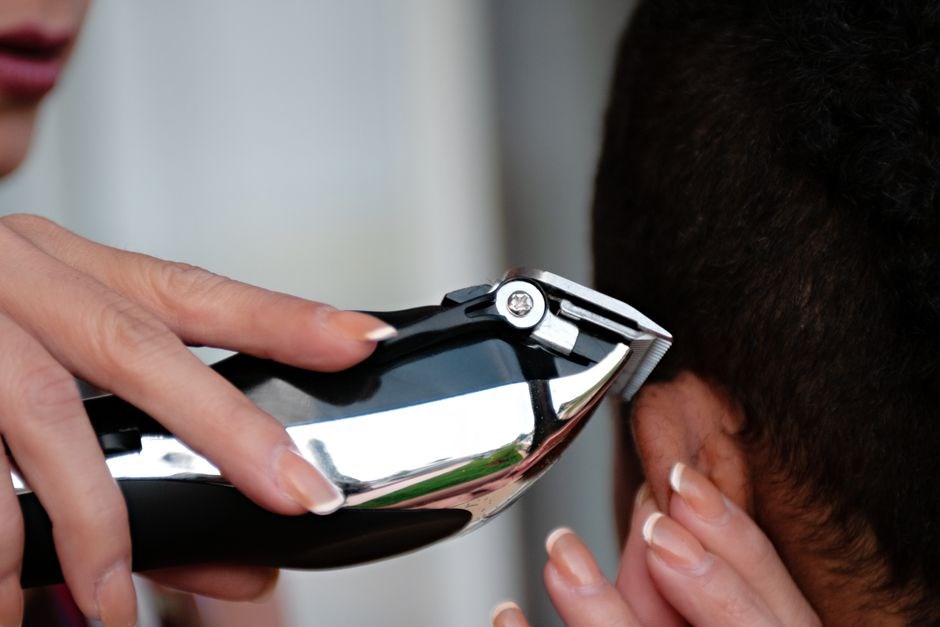
Wahl guards are engineered to mate perfectly with the majority of Wahl clippers, offering a tight seal that eliminates the rattling often heard with mismatched accessories. The design uses a tapered socket that aligns with the clipper’s guide rail, ensuring a secure fit even during aggressive cutting. Because of this precise geometry, a 1‑inch guard will sit flush on a 1/8‑inch guide, leaving the exact length intended by the guard number. When you need to use a Wahl guard on a non‑Wahl machine—such as Bosley or Andis—you can do so with a simple adapter that bridges the difference in mounting holes. These adapters are inexpensive and readily available from most barber supply stores. Always verify the adapter’s compatibility with your specific model before installation; Once fitted, the guard should feel firm and not slip during operation. Test the guard on a small section of hair to confirm the length and stability before proceeding to the full cut. This precaution helps avoid accidental over‑cutting and ensures a consistent result across all sections of the head. Additionally, keep the guard clean by wiping it with a damp cloth after each use; this prevents buildup that can affect cutting performance. For long‑term storage, place guards in a dry, cool area to avoid warping. Finally, if you notice any wobble or looseness, replace the guard immediately to maintain safety and precision.
Replace guards to keep cuts clean. neat!
Other Brands (Bosley, Andis, etc.)
While Wahl guards dominate the market, many barbers and DIY enthusiasts rely on Bosley, Andis, and other manufacturers for their clipper guard needs. Each brand follows its own mounting system, yet most guards are designed to fit the standard 1/8‑inch guide rail used by most clippers. Bosley guards, for example, feature a slightly thicker body that provides extra stability on heavier‑weight machines, and they are available in a wide range of sizes from 0.5 mm to 25 mm. Andis guards are known for their lightweight construction and quick‑release clip, which makes changing guard sizes a matter of seconds. When using a guard from a different brand, it is essential to check the guard’s compatibility with the clipper’s guide rail. A mismatch can lead to uneven cutting, guard wobble, or even blade damage. Many users employ universal adapters that bridge the gap between brands; these adapters are cheap can be foundat most barber supply stores. After installing an adapter, always test the guard on a small section of hair to confirm that the length matches the guard number and that the guard stays firmly in place. Proper maintenance—cleaning the guard after each use and storing it in a dry environment—helps preserve the guard’s shape and prolongs its life. If you notice any signs of wear, such as a bent guard or a loose fit, replace it promptly to avoid compromising cutting precision and safety. By selecting the right guard and ensuring proper fit, you can achieve consistent results across all clipper brands.