
Quebec Dental Fee Guide 2024: A Comprehensive Overview
Navigating Quebec’s dental costs can be complex‚ as the Association des Chirurgiens Dentistes du Québec’s fee guide isn’t always straightforward for public access and understanding.
Nearly six million Canadians now have dental coverage‚ announced on November 24‚ 2025‚ by the Minister of Health‚ Marjorie Michel.
Understanding the landscape of Quebec dental fees is crucial for residents seeking affordable and quality oral healthcare. Unlike some other provinces‚ or regulated professions‚ Quebec’s dental fee structure isn’t a simple‚ publicly available list. The Association des Chirurgiens Dentistes du Québec (ACDQ) publishes a guide‚ but it functions more as a reference point for dentists than a fixed-price list for patients. This means considerable variation in actual costs can occur between different dental clinics across the province.
Recent developments‚ such as the announcement on November 24‚ 2025‚ by the Honorable Marjorie Michel‚ Minister of Health‚ indicate a growing focus on dental coverage for Canadians. Approximately six million individuals are now covered‚ potentially impacting demand and‚ subsequently‚ pricing dynamics. However‚ this doesn’t automatically translate to standardized fees. Patients should be prepared to inquire directly with clinics to obtain accurate cost estimates for specific procedures. The complexity stems from the ACDQ’s guide being a suggested fee schedule‚ allowing dentists flexibility in their pricing.
This guide aims to provide a comprehensive overview of typical dental costs in Quebec for 2024‚ acknowledging the inherent variability and offering strategies for managing expenses.
Understanding the Fee Guide Structure
The Association des Chirurgiens Dentistes du Québec (ACDQ) fee guide isn’t a simple price list; it’s a complex document outlining suggested fees for a wide range of dental procedures. It’s important to recognize that these are suggested fees‚ not mandated prices. Dentists are free to adjust their charges based on factors like overhead costs‚ specialization‚ and geographic location within Quebec.
The guide is structured by procedure codes‚ aligning with the Canadian Dental Association’s (CDA) coding system. Each code corresponds to a specific treatment‚ and the ACDQ provides a fee range for each. Understanding these codes can empower patients to compare quotes from different clinics‚ though direct comparisons can still be challenging due to variations in treatment approaches. The guide’s complexity is often cited as a barrier to transparency‚ as it requires a degree of dental knowledge to interpret effectively.
Recent news‚ including the November 24‚ 2025 announcement regarding expanded dental coverage for six million Canadians‚ doesn’t directly alter the guide’s structure. However‚ increased demand could influence how dentists utilize the suggested fee ranges. Patients should proactively request a written treatment plan with associated costs before proceeding with any dental work.
The Association des Chirurgiens Dentistes du Québec (ACDQ)
The Association des Chirurgiens Dentistes du Québec (ACDQ) is the professional organization representing dentists across the province of Quebec. Its primary role is to regulate the profession‚ ensuring quality of care and ethical practice. A key function of the ACDQ is publishing the annual dental fee guide‚ which‚ despite its importance‚ isn’t always easily accessible or understandable for the general public.
The ACDQ doesn’t directly control dental fees; instead‚ it provides a recommended fee schedule. Dentists are autonomous in setting their own prices‚ leading to considerable variation across clinics. The association advocates for the dental profession and provides continuing education opportunities for its members. It also handles complaints and disciplinary matters related to dental practice within Quebec.
Recent developments‚ such as the announcement on November 24‚ 2025‚ concerning expanded dental coverage for nearly six million Canadians‚ place increased scrutiny on the ACDQ’s role in ensuring affordable and transparent dental care. While the expanded coverage doesn’t change the ACDQ’s structure‚ it highlights the need for clear and accessible fee information for patients.
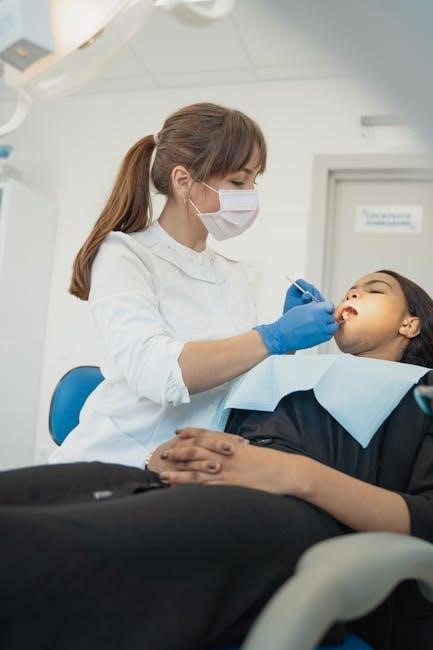
Factors Influencing Dental Costs in Quebec
Several factors contribute to the variability of dental costs throughout Quebec‚ extending beyond the recommended fee guide published by the Association des Chirurgiens Dentistes du Québec (ACDQ). While the ACDQ provides a reference point‚ dentists independently determine their pricing structures.
Location plays a significant role; clinics in major metropolitan areas like Montréal often have higher overhead costs‚ translating to potentially higher fees. The dentist’s experience and specialization also impact pricing‚ with specialists typically charging more for their services; Material choices for procedures like fillings and crowns significantly affect the final cost – composite fillings are generally less expensive than gold or porcelain options.
Furthermore‚ the complexity of the treatment needed influences the price. Emergency dental care‚ for instance‚ often incurs higher fees due to the urgent nature of the service. Recent expansions in dental coverage‚ announced November 24‚ 2025‚ impacting nearly six million Canadians‚ may indirectly influence demand and potentially affect pricing dynamics within the province.
Basic Examination & Preventative Care Costs
Preventative dental care forms the cornerstone of oral health‚ and understanding associated costs is crucial for Quebec residents. A routine check-up‚ including a visual examination and potentially a basic assessment of gum health‚ typically falls within a range of $100 to $200‚ though this can vary based on the dentist’s location and experience.
Dental cleanings (prophylaxis) are usually billed separately‚ with costs ranging from $120 to $250 depending on the extent of tartar buildup and the time required. X-rays are often recommended as part of preventative care; bitewing x-rays (checking for cavities between teeth) generally cost between $30 and $60‚ while a full mouth x-ray can range from $80 to $150.
Fluoride treatments‚ particularly beneficial for children‚ typically add $20 to $40 to the overall cost. It’s important to remember that these are estimated ranges‚ and individual clinic pricing may differ. The recent expansion of dental coverage announced on November 24‚ 2025‚ may help offset some of these preventative care expenses for eligible Canadians.
Scaling and Root Planing (Deep Cleaning) Fees
Scaling and root planing‚ often referred to as a “deep cleaning‚” addresses periodontal (gum) disease by removing plaque and tartar below the gumline. This procedure is significantly more expensive than a routine cleaning due to its complexity and the increased time involved. In Quebec‚ the cost for scaling and root planing typically ranges from $180 to $350 per quadrant – meaning each section of the mouth is priced separately.
Therefore‚ a full-mouth deep cleaning (all four quadrants) could cost between $720 and $1400. Local anesthesia is usually included in this price‚ but additional fees may apply for sedation options. The necessity of scaling and root planing is determined by a dentist or periodontist following a thorough examination and probing of gum pockets.
It’s crucial to discuss the treatment plan and associated costs with your dental provider beforehand. The recent expansion of dental coverage‚ announced November 24‚ 2025‚ might offer some financial relief for eligible individuals requiring this essential periodontal therapy‚ potentially easing the financial burden.
Fillings: Cost Breakdown by Material (Amalgam‚ Composite‚ Gold)
Dental fillings restore teeth damaged by decay‚ and the cost varies significantly based on the material used. Amalgam (silver) fillings are traditionally the most affordable option in Quebec‚ typically ranging from $100 to $200 per filling. However‚ due to aesthetic concerns and potential mercury content‚ many patients opt for alternative materials.
Composite (tooth-colored) fillings are a popular choice‚ blending seamlessly with natural teeth. These generally cost between $150 and $300 per filling‚ reflecting the more complex application process and material cost. Gold fillings‚ while durable and long-lasting‚ are the most expensive‚ ranging from $700 to $1500 per filling.
The size and location of the cavity also influence the price. Larger cavities require more material and time to fill. Considering the evolving landscape of dental coverage‚ announced on November 24‚ 2025‚ it’s wise to verify your insurance plan’s coverage for each material type to make an informed decision.
Root Canal Treatment: Price Ranges
Root canal treatment addresses infection within a tooth‚ preventing extraction and preserving your natural smile. The cost in Quebec varies depending on the tooth’s location. Incisors (front teeth) typically range from $700 to $1‚200‚ while premolars cost between $800 and $1‚400. Molars‚ being more complex‚ are the most expensive‚ ranging from $1‚000 to $2‚000 or more.
These prices generally include the root canal procedure itself‚ but may not cover the cost of a crown‚ which is often necessary to protect the treated tooth after the root canal. A crown can add an additional $800 to $2‚000 to the overall expense‚ depending on the material chosen (porcelain‚ gold‚ etc.).
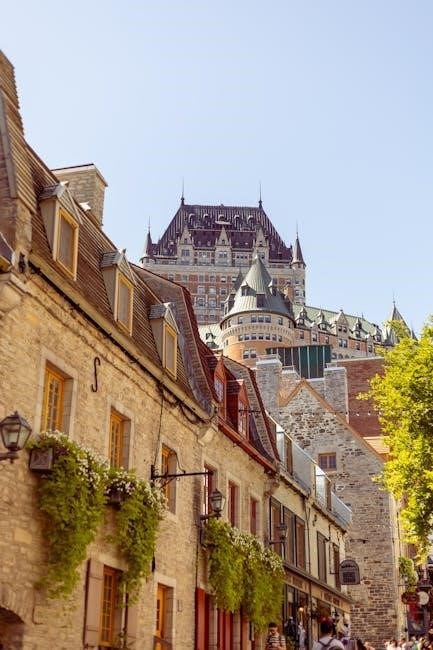
Factors influencing the price include the severity of the infection‚ the dentist’s experience‚ and the technology used. With nearly six million Canadians gaining dental coverage as of November 24‚ 2025‚ understanding these costs is crucial for budgeting and accessing necessary care.
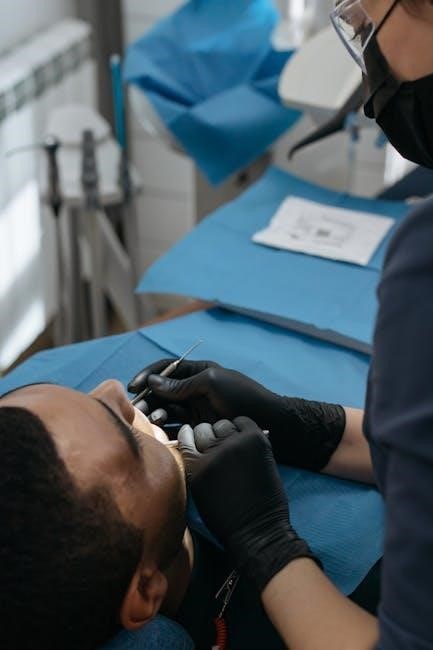
Crowns: Material Options and Associated Costs
Dental crowns restore damaged teeth‚ improving both function and aesthetics. Several materials are available‚ each with varying costs. Porcelain crowns‚ popular for their natural appearance‚ typically range from $800 to $1‚800 per tooth. Zirconia crowns‚ known for their strength and durability‚ fall within the $1‚000 to $2‚000 range.
Gold crowns‚ a traditional option‚ offer exceptional longevity but are less aesthetically pleasing‚ costing between $1‚500 and $2‚500. Porcelain fused to metal (PFM) crowns provide a balance of strength and aesthetics‚ priced around $700 to $1‚500. The choice depends on individual needs‚ location of the tooth‚ and budget.
These prices do not include any preparatory work‚ such as a root canal or build-up‚ which would add to the overall cost. Considering that nearly six million Canadians gained dental coverage in late 2025‚ understanding these price points is vital for informed dental care decisions within Quebec’s fee structure.
Bridges: Cost Considerations
Dental bridges effectively replace missing teeth‚ restoring your smile and chewing ability. The cost of a bridge in Quebec varies significantly based on the materials used and the number of teeth being replaced. A traditional bridge‚ typically constructed with porcelain fused to metal‚ generally ranges from $1‚500 to $5‚000 per bridge unit.
All-ceramic or all-porcelain bridges‚ offering superior aesthetics‚ can cost between $2‚000 and $7‚000 per unit. Cantilever bridges‚ supported by a single abutment tooth‚ may have slightly different pricing. The complexity of the case‚ including any necessary preparatory work like root canals or extractions‚ will also influence the final cost.
With nearly six million Canadians now covered by dental benefits as of November 2025‚ it’s crucial to understand these price ranges when planning restorative treatment. Remember that the Association des Chirurgiens Dentistes du Québec’s fee guide serves as a reference‚ and individual clinic pricing may vary.
Dentures: Partial vs. Complete – Pricing
Dentures offer a cost-effective solution for replacing multiple missing teeth‚ significantly impacting quality of life. In Quebec‚ the price difference between partial and complete dentures is substantial. A standard complete denture set (upper and lower) typically ranges from $1‚800 to $6‚000‚ depending on the materials and laboratory craftsmanship.
Partial dentures‚ designed to fit around existing teeth‚ generally cost between $700 and $3‚000 per plate. Factors influencing the price include the base material (acrylic or metal)‚ the number of teeth being replaced‚ and any necessary adjustments or relines. Immediate dentures‚ fitted immediately after tooth extraction‚ may incur additional costs.
Considering the recent expansion of dental coverage to nearly six million Canadians announced in November 2025‚ exploring denture options becomes more accessible. However‚ understanding the Association des Chirurgiens Dentistes du Québec’s fee guide and comparing clinic prices remains essential for informed decision-making.
Orthodontic Treatment Costs (Braces & Invisalign)
Orthodontic treatments‚ like braces and Invisalign‚ represent a significant investment in dental health and aesthetics. In Quebec‚ the cost varies considerably based on treatment complexity‚ duration‚ and the chosen method. Traditional metal braces typically range from $3‚000 to $7‚000 for a complete treatment‚ encompassing adjustments and retainers.
Invisalign‚ the clear aligner alternative‚ generally falls within the $4‚000 to $8‚500 range‚ often being more expensive due to the advanced technology and customized aligners. Factors influencing Invisalign costs include the number of aligners needed and the complexity of the case. Some clinics offer financing options to make treatment more affordable.
With the recent expansion of dental coverage announced in November 2025‚ benefiting nearly six million Canadians‚ exploring orthodontic options may become more financially feasible. However‚ navigating the Association des Chirurgiens Dentistes du Québec’s fee guide and obtaining quotes from multiple providers is crucial for informed budgeting.
Dental Implants: A Detailed Cost Analysis
Dental implants offer a long-term solution for missing teeth‚ but they represent a substantial financial commitment in Quebec. The overall cost encompasses several components: the implant itself‚ the abutment (connector)‚ the crown‚ and the surgical placement procedure. A single dental implant typically ranges from $3‚000 to $6‚000‚ but this is a broad estimate.
Additional costs may include bone grafting if sufficient jawbone density is lacking‚ and potential extractions of damaged teeth. The type of crown material (porcelain‚ zirconia) also influences the price. Full-mouth implant restorations‚ replacing all teeth‚ can easily exceed $20‚000 to $30‚000.
Considering the recent expansion of dental coverage announced in late 2025‚ impacting nearly six million Canadians‚ it’s vital to investigate potential insurance benefits. However‚ understanding the Association des Chirurgiens Dentistes du Québec’s fee structure and obtaining detailed quotes from several dental professionals remains essential for accurate budgeting and informed decision-making.
Wisdom Tooth Extraction Fees
Wisdom tooth extraction costs in Quebec vary significantly based on complexity. A simple extraction‚ where the tooth is fully erupted and easily accessible‚ typically ranges from $150 to $300 per tooth. However‚ impacted wisdom teeth – those trapped beneath the gum line or bone – require a more complex surgical procedure‚ substantially increasing the cost.
Surgical extractions can range from $300 to $600 per tooth‚ and may necessitate the involvement of an oral surgeon‚ adding to the expense. The need for anesthesia (local‚ sedation‚ or general) also impacts the final bill. Panoramic X-rays‚ often required for assessment‚ add an additional cost‚ usually between $80 and $200.
Given the evolving landscape of dental coverage‚ with nearly six million Canadians gaining access as of late 2025‚ it’s crucial to verify insurance benefits. However‚ navigating the Association des Chirurgiens Dentistes du Québec’s fee guide and obtaining detailed quotes from multiple clinics is essential for accurate cost estimation and financial planning.
Emergency Dental Care Costs
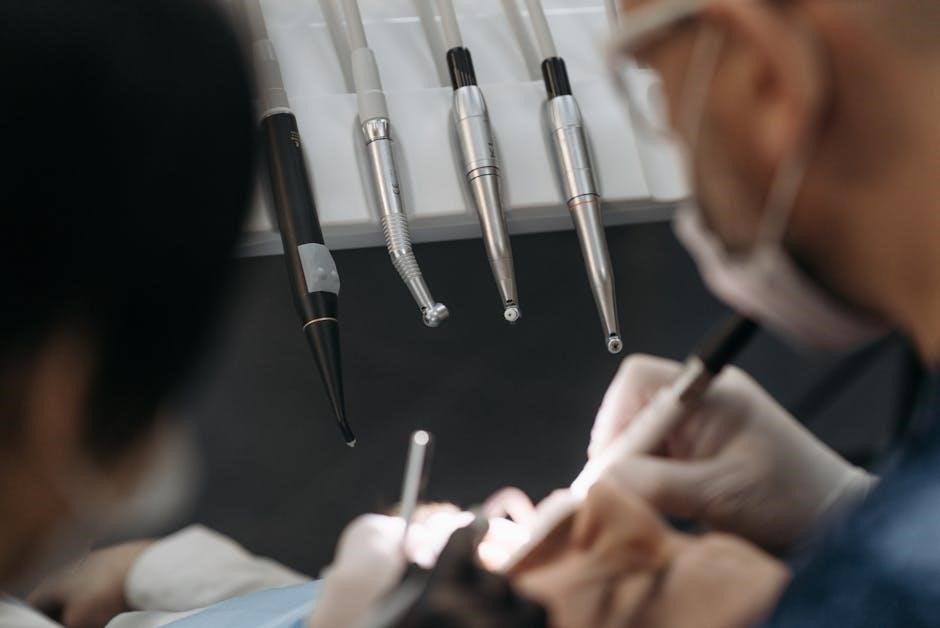
Emergency dental care costs in Quebec fluctuate depending on the nature and urgency of the situation. A routine emergency exam‚ to diagnose the problem‚ typically ranges from $75 to $150. Treatments‚ however‚ vary considerably. A simple lost filling might cost $100 to $300 to replace‚ while a root canal performed as an emergency procedure can range from $500 to $1‚500 or more.
Severe trauma‚ such as a knocked-out tooth‚ requires immediate attention and can incur costs between $300 and $800 for potential reimplantation or alternative treatments. Abscesses‚ requiring drainage and antibiotics‚ can range from $200 to $500. After-hours or weekend emergency visits usually attract higher fees‚ potentially adding 50% to 100% to the standard cost.
With nearly six million Canadians newly covered by dental benefits as of November 2025‚ understanding your insurance plan is vital. However‚ the Association des Chirurgiens Dentistes du Québec’s fee guide can be challenging to interpret‚ so obtaining a clear cost estimate from the clinic before treatment is highly recommended.
Dental Insurance Coverage in Quebec
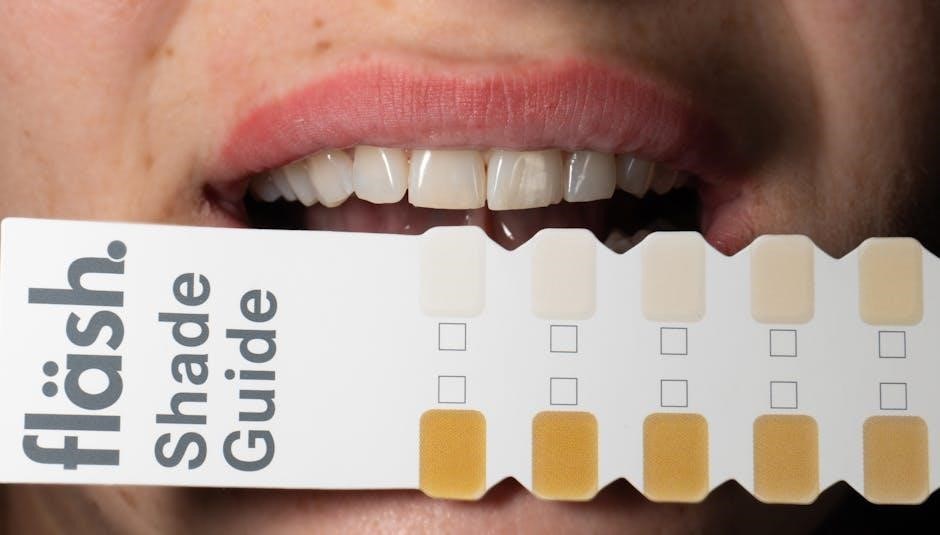
Dental insurance in Quebec generally falls into three categories: employer-sponsored plans‚ individual plans‚ and public programs. Employer plans typically cover a significant portion of preventative care – like cleanings and exams – often around 80%‚ with decreasing coverage for more complex procedures like fillings‚ root canals‚ and crowns‚ usually ranging from 50% to 60%.
Individual dental insurance plans offer varying levels of coverage and premiums‚ depending on the chosen plan. These plans often have annual maximums‚ typically between $1‚000 and $2‚000. The recent announcement on November 24‚ 2025‚ indicated that nearly six million Canadians now have dental coverage‚ potentially easing the financial burden for many.
However‚ navigating the Association des Chirurgiens Dentistes du Québec’s fee guide can be difficult. It’s crucial to understand your plan’s specifics – including deductibles‚ co-payments‚ and annual maximums – to accurately estimate your out-of-pocket expenses. Always verify coverage with your insurer before receiving treatment to avoid unexpected bills.
Government Programs & Financial Assistance
Quebec offers several government programs designed to assist residents with dental costs‚ particularly those with limited financial resources. The most notable is the Quebec Dental Care Program‚ which provides coverage for eligible low-income individuals and families. This program focuses on preventative care and essential treatments‚ though coverage levels vary based on individual circumstances.
Furthermore‚ the recent announcement on November 24‚ 2025‚ by Minister Marjorie Michel‚ highlighted that nearly six million Canadians are now covered by a federal dental care plan‚ potentially supplementing provincial programs. Eligibility criteria for these programs often include income thresholds‚ age‚ and specific health conditions.
Beyond direct financial assistance‚ some municipalities and community organizations offer dental clinics with reduced fees. It’s important to research local options and understand the application processes for these programs. Navigating the Association des Chirurgiens Dentistes du Québec’s fee guide alongside these programs requires careful planning and understanding of coverage limitations.
Comparing Dental Clinic Prices
Given the complexities of the Association des Chirurgiens Dentistes du Québec’s fee guide‚ comparing prices between dental clinics is crucial for managing expenses. It’s important to remember the guide itself isn’t always easily accessible or transparent to the public‚ making direct comparisons challenging.
However‚ many clinics are willing to provide price estimates for common procedures upon request. Calling several clinics and obtaining quotes for the specific treatment you require is a proactive step. Online resources and directories can also assist in identifying clinics in your area‚ but verifying pricing directly is essential.
Remember that the listed fees are often a base price‚ and additional costs may apply depending on the complexity of the case or materials used. The recent expansion of dental coverage to nearly six million Canadians‚ announced November 24‚ 2025‚ may influence clinic pricing and availability‚ so staying informed is key.
Tips for Managing Dental Expenses
Effectively managing dental expenses in Quebec requires a proactive approach‚ especially considering the intricacies of the Association des Chirurgiens Dentistes du Québec fee structure. Prioritize preventative care – regular check-ups and cleanings – to avoid costly procedures down the line. Discuss treatment options with your dentist and inquire about alternatives that may be more budget-friendly.

Take advantage of any dental insurance coverage you may have‚ and understand the specifics of your plan‚ including annual maximums and covered services. Explore government programs and financial assistance options if eligible‚ as nearly six million Canadians gained coverage on November 24‚ 2025‚ potentially easing the financial burden for some.
Don’t hesitate to ask about payment plans or financing options offered by the clinic. Comparing prices between clinics‚ as previously discussed‚ is also a vital strategy. Being informed and prepared will empower you to make sound financial decisions regarding your dental health.
Resources for Finding Affordable Dental Care
Locating affordable dental care in Quebec necessitates utilizing available resources and exploring various options. Begin by checking with local community health centers‚ often offering reduced-fee services to eligible residents. Dental schools‚ such as those affiliated with McGill or Université de Montréal‚ frequently provide treatments at lower costs performed by supervised students.

The government’s recent expansion of dental coverage‚ announced November 24‚ 2025‚ by Minister Marjorie Michel‚ now covers nearly six million Canadians‚ potentially offering assistance to those previously without access. Investigate provincial programs designed to aid low-income individuals and seniors with dental expenses.
Online directories and databases can help you compare clinic prices and identify providers offering discounts or payment plans. Don’t hesitate to contact the Association des Chirurgiens Dentistes du Québec for referrals or information about financial assistance programs. Proactive research is key to finding accessible and affordable dental care.