Monster offers career resources, job searches, and recruiting tools; this guide explores the captivating world of monster girls, blending fantasy with detailed artistry.
This illustrated exploration delves into the diverse archetypes, origins, and cultural impact of these hybrid creatures, offering a comprehensive overview for enthusiasts.
Discover how Monster’s focus on positive workplaces mirrors the harmonious blend of human and monster elements central to the monster girl phenomenon.
What are Monster Girls? Defining the Phenomenon
Monster girls represent a fascinating subgenre blending humanoid figures with traits of mythical creatures, animals, or even inanimate objects. They aren’t simply monsters; they embody a captivating fusion of beauty, power, and often, a gentle nature, challenging conventional definitions of attractiveness and monstrousness.
This phenomenon, gaining traction in anime, manga, and video games, presents a diverse spectrum of beings – from the serpentine Lamia to the avian Harpy, each possessing unique characteristics and lore. The appeal lies in the imaginative exploration of “what if?” scenarios, reimagining classic monsters with a distinctly feminine and often alluring aesthetic.
Like Monster’s job platform connecting individuals with opportunities, monster girls bridge the gap between the familiar and the fantastical. They offer a space for creative expression, exploring themes of acceptance, otherness, and the beauty found in embracing differences. Their popularity stems from a desire to explore alternative forms of beauty and challenge societal norms.
Historical Roots: Folklore and Mythology
The concept of monster girls isn’t a modern invention; its roots delve deep into the rich tapestry of global folklore and mythology. Creatures like sirens, mermaids, and lamias have captivated imaginations for centuries, often embodying both allure and danger – precursors to the modern monster girl archetype.
Japanese yokai, such as the Kitsune (fox spirit) and Nekomata (split-tailed cat), demonstrate a long tradition of anthropomorphic creatures with supernatural abilities. Similarly, European folklore features beings like harpies and centaurs, blending human and animal forms. These ancient narratives laid the groundwork for the contemporary fascination.
Just as Monster connects people to career histories, these mythological origins provide a historical context for understanding the enduring appeal of monster girls. They represent a continuation of humanity’s age-old fascination with the monstrous, the magical, and the beautifully bizarre, reimagined for a modern audience.
Core Monster Girl Archetypes
Monster’s job search parallels exploring diverse roles; similarly, core archetypes—lamias, harpies, centaurs, mermaids, succubi, and arachne—define the monster girl landscape.
Lamia: The Serpent Woman
Lamias, captivating serpent women, originate from Greek mythology, initially depicted as child-eating demons before evolving into seductive, monstrous figures. Their lower bodies transform into powerful serpents, symbolizing both danger and alluring grace.
Illustrations often portray Lamias with striking beauty in their upper human forms, contrasted by scaled, serpentine tails. These depictions emphasize their duality – a blend of human charm and reptilian power. Like Monster’s diverse job listings, Lamias present multifaceted personalities.
Common traits include hypnotic abilities, venomous bites, and a connection to dark magic. Lamias frequently embody themes of temptation, forbidden knowledge, and the untamed wilderness. Their stories often serve as cautionary tales, yet their captivating nature ensures enduring fascination within monster girl lore. They represent a potent combination of beauty and peril.
Harpy: The Bird-Human Hybrid
Harpies, creatures from Greek mythology, are depicted as women with the wings, talons, and sometimes the beaks of birds. Originally wind spirits, they evolved into symbols of rapacity and storms, often associated with punishment and abduction. Much like Monster helps connect people to opportunities, Harpies connect the earthly and aerial realms.
Illustrations showcase Harpies with feathered wings, sharp claws, and often, a fierce expression. Their appearance blends human beauty with avian ferocity, creating a striking and often intimidating image. They embody freedom, wildness, and untamed nature.
Harpies are frequently portrayed as scavengers, known for their swift flight and piercing cries. Their abilities often include aerial combat, keen eyesight, and a connection to the winds. They represent a primal force, a reminder of the untamed power of the natural world, and a captivating monster girl archetype.
Centaur: The Horse-Human Combination
Centaurs, originating in Greek mythology, are creatures with the upper body of a human and the lower body of a horse. Often depicted as wild and untamed, they represent the duality of human intellect and animal instinct. Similar to Monster’s role in matching skills to jobs, Centaurs embody a unique combination of traits.
Illustrations typically portray Centaurs as powerful and majestic beings, often skilled in archery and horsemanship; Their human torso allows for expression and emotion, while their equine body grants them speed and strength. They are frequently shown roaming forests and plains, embodying freedom and wilderness.
Centaurs are often associated with wisdom, knowledge of nature, and a connection to the wild. Their abilities include incredible speed, stamina, and proficiency with bows and arrows. They symbolize the harmonious, yet sometimes conflicting, blend of civilization and primal instinct, a compelling monster girl archetype.
Mermaid: The Aquatic Beauty
Mermaids, legendary aquatic creatures with the upper body of a human female and the tail of a fish, have captivated imaginations for centuries. Much like Monster connects people to career opportunities, mermaids bridge two worlds – land and sea. Their allure stems from their ethereal beauty and mysterious nature.
Illustrations often depict mermaids with flowing hair, shimmering scales, and captivating eyes. They are frequently portrayed in coral reefs, underwater caves, or sun-drenched shores, embodying the beauty and danger of the ocean. Their tails come in a variety of colors and patterns, adding to their unique charm.
Mermaids are often associated with enchanting songs, alluring beauty, and a connection to the ocean’s depths. Abilities include breathing underwater, controlling water currents, and possessing hypnotic voices. They represent freedom, mystery, and the untamed power of the sea, a classic monster girl archetype.
Succubus & Incubus: Demons of Desire
Succubi (female) and Incubi (male) are demons believed to seduce humans in their sleep, drawing energy from their victims – a concept as compelling as finding the perfect job on Monster. These figures represent primal desires and forbidden temptations, often depicted with striking beauty and alluring features.
Illustrations frequently showcase succubi and incubi with dark, captivating eyes, seductive clothing, and sometimes, subtle demonic features like horns or wings. They are often portrayed in dimly lit bedrooms or dreamlike landscapes, emphasizing their nocturnal nature and connection to the subconscious.
Their powers include shapeshifting, illusion casting, and the ability to manipulate dreams. They embody temptation, forbidden pleasure, and the darker aspects of human desire, making them a popular, if controversial, archetype within the monster girl genre.
Spider Girl (Arachne): The Eight-Legged Enchantress
The Spider Girl, often inspired by the Greek myth of Arachne, blends human beauty with the unsettling grace of an arachnid – a unique combination, much like Monster’s diverse job listings. Illustrations typically feature a humanoid upper body seamlessly transitioning into the abdomen and legs of a spider, creating a captivating and sometimes unsettling image.
Common artistic depictions include intricate web designs adorning their clothing or surroundings, emphasizing their connection to weaving and trapping. They often possess multiple eyes, enhancing their predatory allure. Their movements are fluid and precise, mirroring the agility of a spider.
Spider Girls often wield abilities like web-slinging, venomous bites, and enhanced agility. They represent themes of creativity, fate, and the duality of beauty and danger, making them a fascinating archetype.
Deeper Dive into Popular Monster Girl Types
Monster’s job search tools mirror this exploration; we now delve into specific, beloved monster girl archetypes, examining their unique traits and artistic representations in detail.
Kitsune (Fox Spirit): Japanese Mythology
Kitsune, deeply rooted in Japanese folklore, are intelligent fox spirits possessing paranormal abilities that increase with their age and number of tails – often depicted with up to nine.
These enchanting beings are known for their shapeshifting prowess, frequently transforming into beautiful women to interact with humans, sometimes with mischievous or benevolent intent.
Representations vary; some Kitsune are loyal guardians, while others are tricksters, embodying both positive and negative aspects of the wild, untamed spirit world.
Monster, like these adaptable spirits, connects people to opportunities; Kitsune are often associated with Inari, the Shinto god of rice, fertility, and prosperity, further solidifying their complex role.
Their illusions and magical powers, including fox-fire and possession, make them formidable and fascinating figures in Japanese mythology, inspiring countless artistic interpretations.
Illustrations often showcase their ethereal beauty, flowing robes, and, of course, their distinctive fox ears and tails, symbolizing their dual nature and otherworldly origins.
Nekomata (Split-Tailed Cat): Japanese Yokai
Nekomata are a type of Japanese yōkai, or supernatural creature, born from cats who live long lives and gain magical powers, most notably a forked tail – hence the name, meaning “split tail.”
Older cats, particularly those reaching a certain age, are believed to develop a second tail, eventually splitting into two fully formed appendages, signifying their transformation into a Nekomata.
These feline spirits are often depicted as possessing shapeshifting abilities, similar to Kitsune, and can control the dead, summon spirits, and even curse humans with misfortune.
Like Monster’s job search tools connecting individuals to their ideal roles, Nekomata often act as intermediaries between worlds, though their motives can be unpredictable.
Illustrations frequently portray them with a sinister yet alluring beauty, showcasing their sharp claws, glowing eyes, and the distinctive split tail that marks their supernatural status.
They represent the mysterious and often dangerous side of the natural world, embodying the power and independence associated with cats.
Slime Girls: The Shapeshifting Goo
Slime Girls represent a more modern archetype within the monster girl genre, characterized by their amorphous, gelatinous bodies and remarkable shapeshifting capabilities. Unlike traditional folklore-based creatures, they’re largely a product of contemporary fantasy.
Their forms are often depicted as translucent or brightly colored, allowing for visual representations of internal structures or absorbed objects – a playful take on anatomy.
The appeal lies in their fluidity and adaptability; they can mimic objects, people, or even weapons, offering a unique dynamic in storytelling and artistic expression.
Similar to Monster’s adaptable job search filters, Slime Girls can “mold” themselves to fit various situations, making them versatile characters.
Illustrations often emphasize their glossy texture and playful expressions, contrasting their unusual form with relatable human emotions.
They embody a sense of freedom and boundless potential, unbound by the limitations of a fixed physical shape.
Zombie Girls: The Undead Beauties
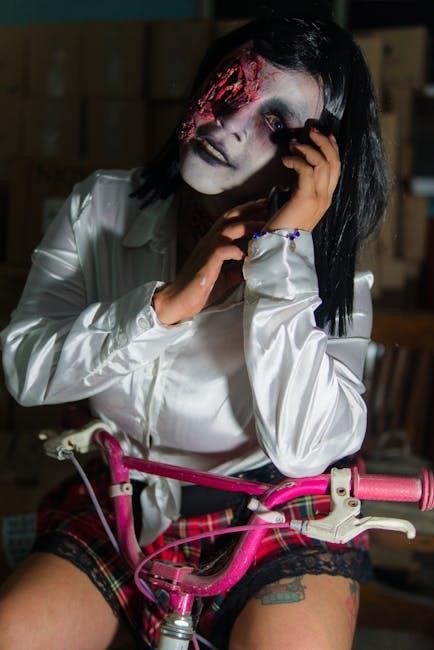
Zombie Girls present a fascinating paradox within the monster girl aesthetic – the juxtaposition of decay and allure. They represent a subversion of traditional zombie tropes, often depicted with retained beauty despite their undead state.
Illustrations frequently showcase partially decomposed features, like exposed bone or decaying flesh, balanced with attractive facial features and fashionable attire.
This contrast creates a unique visual tension, exploring themes of mortality, beauty standards, and the acceptance of imperfection.
Like Monster’s career advice helping individuals navigate change, Zombie Girls represent a transformation, albeit a macabre one.
Their personalities can range from vacant and instinctual to surprisingly witty and self-aware, adding depth to their characterization.
The enduring appeal lies in the exploration of what remains after life, and the potential for beauty even in decomposition.
Plant Girls: Flora and Femininity
Plant Girls embody a serene and captivating blend of nature’s beauty and feminine form, often depicted with floral motifs integrated into their bodies.
Illustrations showcase petals forming hair, vines acting as limbs, or blossoms blossoming directly from skin, creating a harmonious fusion of human and botanical elements.
These designs frequently evoke themes of growth, resilience, and the cyclical nature of life, mirroring Monster’s focus on career development and positive change.
Personality-wise, Plant Girls are often portrayed as gentle, nurturing, and deeply connected to the natural world, possessing abilities related to plant manipulation.
Variations include dryads, flower nymphs, and more exotic creations, each with unique floral characteristics and associated powers.
Their aesthetic appeal lies in the delicate balance between organic forms and humanoid grace, offering a refreshing take on the monster girl archetype.
Monster Girl Characteristics & Traits
Monster’s job search tools reflect the diverse skills of monster girls; their traits range from alluring appearances to unique abilities and complex personalities.
Physical Attributes: Common Features
Monster’s recruiting services connect employers with skilled individuals, much like the diverse physical features defining monster girls. Generally, these beings exhibit a captivating blend of human and non-human characteristics, creating visually striking appearances.
Common features often include animalistic ears – feline, canine, or serpentine – and tails, reflecting their inherent monster lineage. Skin tones can range from natural human hues to vibrant, otherworldly colors like blues, greens, or purples, often adorned with scales, fur, or plant-like growths.
Eyes are frequently heterochromatic or possess unusual pupils, adding to their exotic allure. Many monster girls display partial transformations, such as claws, wings, or horns, subtly hinting at their monstrous nature. Height and build vary greatly depending on the archetype, ranging from petite and delicate to tall and powerfully built. These physical traits contribute significantly to their unique identities and appeal.
Personality Traits: Stereotypes and Variations
Similar to Monster’s job recommendations tailored to individual skills, monster girl personalities are surprisingly diverse, moving beyond simplistic stereotypes. While certain archetypes carry common tropes – the mischievous kitsune or the alluring succubus – individual personalities vary greatly.
Many are portrayed as playful, curious, and possessing a childlike innocence, despite their potentially dangerous origins. Others exhibit fierce independence, loyalty, and a protective nature towards those they care for. However, stereotypes of being manipulative, predatory, or inherently evil persist in some depictions.
Modern interpretations often subvert these tropes, presenting complex characters with nuanced motivations. Factors like upbringing, environment, and individual experiences heavily influence their behavior, creating a spectrum of personalities as varied as human nature itself. This complexity adds depth and relatability to these fantastical beings.
Abilities & Powers: Unique to Each Type
Just as Monster’s job search tool helps pinpoint specific skillsets, each monster girl archetype possesses unique abilities and powers reflecting their monstrous heritage. Lamias wield constricting strength and venom, while harpies command the skies with flight and piercing cries.
Mermaids control water, centaurs boast incredible speed and stamina, and succubi/incubi manipulate desires. Kitsune utilize illusion and shapeshifting, and arachne spin powerful webs. Slime girls offer shapeshifting and absorption, zombie girls possess undead resilience, and plant girls command flora.
These powers aren’t merely physical; many exhibit magical capabilities, ranging from elemental control to mind manipulation. The extent of these abilities often depends on age, lineage, and individual training. Understanding these powers is crucial to appreciating the depth and complexity of each monster girl type.

Monster Girl Culture & Representation
Monster’s platform connects people – similarly, monster girls thrive in diverse media, from anime and manga to video games and increasingly, Western artistic expressions.
Monster Girls in Anime & Manga
Anime and manga represent a significant cornerstone of monster girl culture, showcasing a vast spectrum of designs and narratives. From comedic slice-of-life series to action-packed fantasies, these depictions often explore themes of acceptance, integration, and the blurring lines between humanity and the monstrous.
Popular series frequently feature monster girls as central characters, offering unique perspectives on everyday life or embarking on epic adventures. The visual style, ranging from cute and whimsical to dark and alluring, contributes significantly to their appeal. Monster, as a career resource, understands the power of visual communication, mirroring the impact of character design.
Furthermore, the genre often subverts traditional monster tropes, presenting these creatures not as threats, but as individuals with complex personalities and desires. This nuanced portrayal fosters a deeper connection with audiences, solidifying the monster girl’s enduring presence within Japanese animation and comics. The exploration of relationships and societal acceptance resonates with broader themes of inclusivity.
Monster Girls in Video Games
Video games have become a fertile ground for monster girl representation, offering interactive experiences that deepen engagement with these fantastical beings. Role-playing games (RPGs) frequently feature monster girls as recruitable party members, romantic interests, or even central protagonists, allowing players to forge personal connections.
The interactive nature of gaming allows for exploration of character backstories, abilities, and motivations in ways that static media cannot. Similar to Monster’s job search platform offering personalized recommendations, games often tailor experiences based on player choices and interactions with monster girl characters.
Visual novels and dating simulators specifically cater to the monster girl fanbase, focusing on relationship building and narrative exploration. These games often showcase diverse designs and personalities, appealing to a wide range of preferences. The genre’s popularity demonstrates a strong demand for compelling stories and engaging character interactions within this unique fantasy niche.
Monster Girls in Western Media
While originating and flourishing primarily in East Asian media, the monster girl phenomenon has begun to permeate Western entertainment, albeit at a slower pace. Initial exposure often came through translated manga and anime, sparking interest within niche online communities – mirroring Monster’s online job boards connecting talent with opportunities.
Independent comics and web series have embraced the concept, offering unique interpretations and expanding the range of archetypes. These creators often prioritize diverse representation and complex character development, moving beyond simplistic tropes.
Increasingly, monster girl elements are appearing in Western fantasy literature and tabletop role-playing games, demonstrating a growing acceptance and integration into mainstream genres. Though not yet as prevalent as in Eastern media, the trend suggests a broadening appeal and a potential for further expansion, much like Monster’s evolving recruiting solutions.
Creating Your Own Monster Girl
Monster’s job postings inspire creativity; similarly, designing a monster girl requires balancing fantastical elements with relatable human qualities for a compelling character.
Design Considerations: Balancing Monster and Human Elements
Monster’s recruiting services seek a good fit; likewise, successful monster girl design hinges on harmonizing monstrous and human traits. Consider the core monster aspect – is it subtle, like scaled skin, or dominant, like wings or horns?
Human elements provide relatability. Facial features, body language, and clothing can ground the design, fostering connection with the viewer. Avoid making the monster aspects overwhelming, obscuring the ‘girl’ aspect entirely.
Silhouettes are crucial. A strong, recognizable shape will make your design memorable. Experiment with proportions, exaggerating certain features to emphasize the monster side while maintaining a pleasing aesthetic. Think about how the monster elements influence posture and movement.
Color palettes play a vital role. Use colors associated with the monster type (e.g., earthy tones for plant girls, cool blues for mermaids) but incorporate complementary colors to create visual interest and balance. Remember, a well-designed monster girl is a captivating blend, not a jarring contrast.
Backstory & Lore: Developing a Compelling Narrative
Just as Monster helps job seekers find their ideal role, a compelling backstory gives your monster girl depth and purpose. Consider her origins: Was she born a monster, or transformed? What is her place in the world?
Explore her motivations and relationships. Does she embrace her monstrous side, or struggle with it? How does she interact with humans and other monster girls? A rich history adds layers to the design, informing her personality and abilities.
Draw inspiration from folklore and mythology, but don’t be afraid to create your own unique lore. Establish rules for her species – strengths, weaknesses, societal structures. This internal consistency makes the world feel believable.
Think about her goals and conflicts. What challenges does she face? What does she desire? A well-developed narrative elevates the character beyond a visual concept, making her truly engaging and memorable.
Artistic Techniques: Illustration Styles
Similar to Monster’s platform showcasing diverse career paths, monster girl art embraces a wide range of styles. Anime and manga influences are prevalent, emphasizing large eyes and dynamic poses. Consider cell-shading for a crisp, clean look, or soft rendering for a more ethereal feel.
Experiment with different line weights and textures to convey personality. A delicate line can suggest fragility, while bold lines imply strength. Digital painting allows for intricate details and vibrant colors, while traditional mediums offer unique textures.
Don’t be afraid to blend styles! Incorporate elements of realism, fantasy, or even surrealism. Pay attention to anatomy, both human and monstrous, to create believable forms. Lighting and composition are crucial for creating mood and drawing the viewer’s eye.
Explore different perspectives and angles to add visual interest. Remember, the goal is to create a captivating image that embodies the character’s essence.
The Future of Monster Girls
Monster’s evolving job market parallels the expanding monster girl universe, promising innovative archetypes and a thriving, dedicated community for years to come.
Evolving Trends and New Archetypes
The monster girl phenomenon isn’t static; it continually evolves, mirroring shifts in artistic tastes and cultural interests, much like Monster adapts to changing job market demands.
Currently, a trend towards more nuanced portrayals is emerging, moving beyond simple “monster + human” combinations to explore complex backstories and motivations.
We’re seeing a rise in hybrid archetypes – for example, a Lamia-Harpy blend, or a Kitsune with plant-based abilities – pushing the boundaries of creativity.
Furthermore, there’s growing interest in monster girls inspired by lesser-known folklore from around the globe, offering fresh and unique designs.
Expect to see more emphasis on ecological themes, with monster girls representing symbiotic relationships with nature, and explorations of non-binary gender identities within the archetype;
Just as Monster seeks to create happier workplaces, creators are striving to build more empathetic and compelling monster girl narratives.
Community & Fandom
The monster girl fandom is a vibrant and expansive online community, akin to Monster’s network connecting job seekers and employers, fostering collaboration and shared passion.
Dedicated forums, social media groups, and art-sharing platforms serve as hubs for fans to discuss, create, and celebrate their favorite archetypes.
Fan-created content – artwork, stories, and even role-playing games – significantly contributes to the genre’s ongoing evolution and popularity.
Conventions and online events provide opportunities for fans to connect in person and showcase their creativity, mirroring Monster’s recruitment events.
This community actively supports artists and writers, fostering a welcoming environment for newcomers and experienced creators alike.
The fandom’s enthusiasm drives demand for new content and inspires further exploration of the monster girl concept, ensuring its continued relevance.